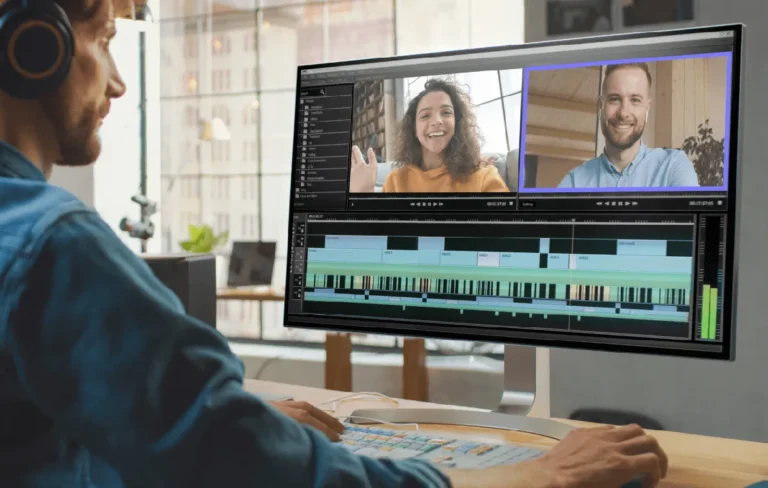
Video editing has become one of the most in-demand creative skills in today’s digital world. Whether it’s a short Instagram Reel, a YouTube vlog, or a full-fledged movie, video editing shapes the way stories are told. As we enter 2025, editing tools and technologies have become smarter, faster, and more accessible — enabling everyone, from beginners to professionals, to create stunning visual content.
This article explores how video editing has evolved, the tools dominating the market, the latest trends, and expert tips for mastering this art in 2025.
Also Read: WhatsApp 2025 Features: Revolutionizing Communication
What Is Video Editing and Why Is It Important?
At its simplest, video editing means cutting, trimming, and arranging clips to tell a story. But in reality, it’s much more — it’s where creativity meets technology. An editor doesn’t just join scenes; they decide how the audience feels, reacts, and connects with the content.
For example, a well-edited marketing video can boost brand engagement, while a short-form reel can go viral overnight. From entertainment to education and advertising, good editing determines the success of any video project.
The Evolution of Video Editing
1. From Linear to Non-Linear Editing
Earlier, editors worked with physical film reels, cutting and joining them by hand — a time-consuming and risky process. Today, non-linear editing (NLE) software allows users to jump between clips, rearrange timelines, and experiment freely without damaging the original footage.
2. AI and Automation Revolution
In 2025, artificial intelligence (AI) plays a huge role in editing. Tasks like scene detection, background noise removal, or automatic color correction are now done in seconds. Tools like Adobe Sensei and CapCut AI features even suggest transitions or music based on the mood of your footage.
3. Rise of Mobile Editing
Gone are the days when editing required a high-end PC. Mobile apps such as CapCut, VN Editor, and LumaFusion allow anyone to edit professional-quality videos directly from their smartphones — perfect for creators on the go.
4. Immersive and 360° Video Editing
With the growth of VR (Virtual Reality) and AR (Augmented Reality), editors now work with 360-degree videos and immersive content. This new format allows viewers to explore scenes interactively, opening exciting opportunities for education, gaming, and tourism industries.
Top Video Editing Tools in 2025
1. Adobe Premiere Pro
Still the industry leader, Premiere Pro offers professional features like motion tracking, color grading, and seamless integration with After Effects. It’s ideal for filmmakers and content creators alike.
2. Final Cut Pro X
Exclusive to macOS, Final Cut Pro is known for its smooth interface, lightning-fast rendering, and advanced organizational tools. Many YouTubers and independent filmmakers rely on it for high-quality projects.
3. DaVinci Resolve
A favorite among professionals for its world-class color grading, DaVinci Resolve also includes editing, visual effects, and audio post-production — all in one platform.
4. LumaFusion
For mobile and tablet users, LumaFusion is one of the most powerful mobile editors, supporting multiple tracks, 4K editing, and even external audio mixing.
5. CapCut
This app has exploded in popularity for short-form video creators. Its AI tools, filters, and effects make editing for TikTok, YouTube Shorts, or Instagram Reels fast and effortless.
Key Techniques Every Editor Should Master
1. Cutting on Action
Always cut between shots while the subject is moving. This makes transitions feel natural and smooth.
2. Color Correction and Grading
Use color to set the mood. Warm tones create happiness, while cool tones create suspense or sadness.
3. Sound Design
Good sound can make orJ break a video. Balance dialogue, background music, and effects to create an immersive experience.
4. Transitions and Effects
Use transitions wisely — subtle fades, dissolves, and wipes can enhance the flow, but too many effects can distract from your story.
5. Storyboarding and Planning
Before editing, plan your sequence. A simple storyboard helps visualize the flow and saves hours in post-production.
Video Editing Trends in 2025
1. Vertical and Short-Form Videos
With platforms like TikTok, YouTube Shorts, and Instagram Reels, vertical content is now mainstream. Editors focus on quick storytelling, visual hooks, and fast pacing to keep viewers engaged.
2. AI-Assisted Editing
Tools now help wiJth auto-cutting, smart captions, and even music synchronization — reducing manual effort and improving productivity.
3. Immersive Storytelling (AR & VR)
Brands and filmmakers are exploring interactive experiences, where viewers can control the narrative. This trend is shaping the next generation of video content.
4. Remote Collaboration
Cloud-based platforms like Frame.io and Blackmagic Cloud enable teams to work together from anywhere — a must for today’s global editing industry.
5. Eco-Friendly Editing
Editors are becoming conscious of energy usage by switching to cloud-based workflows and low-power setups, aligning with sustainability goals.
Challenges Faced by Video Editors
- Learning Curve: Mastering tools like Premiere Pro or DaVinci Resolve takes time.
- High Hardware Costs: Editing 4K or 8K footage requires powerful computers.
- Time-Intensive Process: Polishing each clip, sound, and effect can be tedious.
- Creative Burnout: Constantly producing original content can be mentally draining.
Tips for Aspiring Video Editors
- Start Simple: Begin with small projects and free tools like CapCut or Shotcut.
- Learn from Tutorials: YouTube is full of valuable editing lessons and walkthroughs.
- Practice Daily: The more you edit, the more naturally creative you’ll become.
- Invest in Good Equipment: A reliable laptop and external storage are essential.
- Stay Inspired: Watch short films, music videos, and commercials to learn new styles.
The Future of Video Editing
In 2025 and beyond, video editing is not just a profession — it’s a universal creative language. Whether you’re a content creator, educator, or entrepreneur, mastering editing can help you tell stories that truly connect.
With innovations like AI automation, immersive videos, and real-time collaboration, the editing process will only become more powerful and efficient. The key is to keep learning, experimenting, and adapting to new trends.
Conclusion
Video editing in 2025 is a perfect blend of creativity and technology. It gives storytellers the power to craft emotions, shape narratives, and captivate audiences like never before. As digital content continues to dominate every platform, those who can edit — and edit well — will lead the next wave of communication and entertainment.
So, whether you’re an aspiring YouTuber, social media creator, or filmmaker — start editing today, and bring your imagination to life!
Frequently Asked Questions (FAQs)
What is the best video editing software for beginners?
CapCut, Filmora, and VN Editor are excellent for beginners because they’re free and easy to use.
Which software is best for professional editing?
Adobe Premiere Pro and DaVinci Resolve are preferred by professionals worldwide.
Can I edit videos on my phone?
Yes! Apps like CapCut, LumaFusion, and Kinemaster let you create professional-quality videos on smartphones.
How long does it take to learn video editing?
With consistent practice, you can learn the basics in a few weeks, but mastering it can take several months.
Is video editing a good career in 2025?
Absolutely. With the rise of content creation, YouTube, and digital marketing, skilled editors are in high demand across industries.