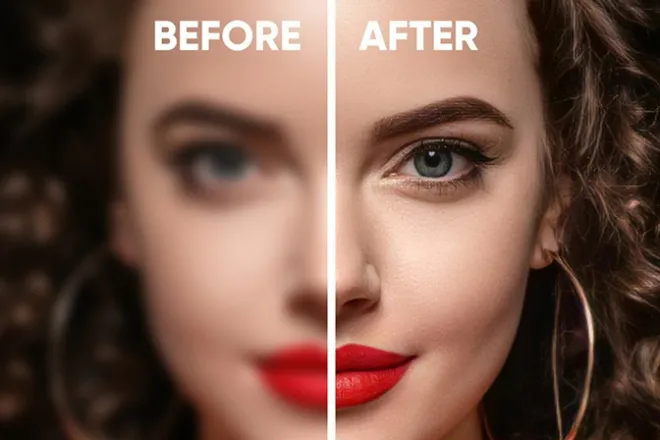
In today’s digital-first and visual-driven world, the quality of photos plays a vital role in how we communicate, market, and tell stories. Whether you’re a social media influencer, a professional photographer, or simply a smartphone user, the demand for crisp, high-quality, and vibrant images has never been higher.
This growing demand has led to the rise of Photo Enhanced Quality — a fusion of art and technology that allows anyone to turn ordinary pictures into extraordinary visuals. From AI-powered enhancement apps to advanced editing software, 2025 marks a new era of creativity and precision in photography.
Also Read: Art of Video Editing in 2025: Tools, Trends, and Techniques
The Evolution of Photo Enhancement
From Darkrooms to Digital Magic
Photo enhancement isn’t new. In the early days of analog photography, professionals used darkroom techniques like dodging and burning to adjust light and shadows manually. But with the digital revolution, editing became faster, smarter, and more accessible.
Key milestones that shaped modern photo enhancement include:
- Digital Editing Software: Tools like Adobe Photoshop and Lightroom changed the game by offering precision control over color, tone, and texture.
- AI-Powered Smartphones: Brands like Apple, Google, and Samsung now integrate real-time photo enhancement directly into their camera apps.
- Cloud-Based Platforms: Services such as Google Photos and Snapseed allow users to edit photos anywhere, anytime.
- AI and Deep Learning: Neural networks now upscale low-quality images, remove unwanted objects, and even adjust lighting automatically — all in seconds.
These innovations have made professional-quality enhancement available to everyone, bridging the gap between amateurs and experts.
Core Features of Modern Photo Enhancement
1. Resolution Enhancement
AI-based upscaling software like Topaz Gigapixel AI can convert low-resolution images into ultra-sharp, print-ready visuals. It recreates missing details intelligently, making it perfect for restoring old photos or improving smartphone shots.
2. Color Correction and Grading
Tools such as Lightroom and Luminar Neo use AI to balance color tones, adjust saturation, and create cinematic looks. This feature is essential for filmmakers, influencers, and digital artists seeking aesthetic consistency.
3. Noise Reduction
Shooting in low light often results in grainy images. AI-powered noise reduction algorithms now remove this unwanted texture while preserving key details, giving cleaner and sharper results even in dim environments.
4. Object Removal and Replacement
Have a perfect photo ruined by a random photobomber? Apps like Photoshop’s Content-Aware Fill or Canva Magic Eraser can seamlessly remove distractions and fill the gaps naturally.
5. Portrait Enhancement
Facial recognition technology in apps like FaceTune, Remini, and Lightroom Mobile can smooth skin, brighten eyes, and enhance facial features — ideal for selfies, professional portraits, or product photos.
6. HDR Imaging
High Dynamic Range (HDR) combines multiple shots with varying exposures into one detailed image. It enhances highlights and shadows, offering a balanced and lifelike photo — especially useful for landscapes and architecture.
Applications of Photo Enhanced Quality
1. Social Media & Influencer Marketing
Platforms like Instagram, Facebook, and TikTok thrive on visual content. Enhanced photos help creators stand out, attract engagement, and build personal brands that resonate with followers.
2. E-Commerce
In online shopping, high-quality product photos can make or break a sale. Enhanced images that highlight colors, textures, and fine details increase trust and conversions on sites like Amazon and Shopify.
3. Healthcare and Medical Imaging
AI-powered image enhancement is also transforming medical diagnostics. Enhanced X-rays, MRIs, and CT scans improve clarity, helping doctors detect issues earlier and more accurately.
4. Education and Research
Enhanced imagery supports scientific visualization — from microscopic biology to astronomy — providing sharper insights and accurate documentation for research purposes.
5. Entertainment and Media
Movies, games, and digital art all rely heavily on enhanced visuals. Whether creating VFX, concept art, or promotional posters, photo enhancement adds depth and realism to creative projects.
Challenges and Ethical Concerns
While technology has made enhancement easier, it also brings challenges:
- Authenticity: Over-editing can distort reality, leading to misleading or overly artificial images.
- Privacy Risks: AI manipulation tools, like deepfakes, raise serious ethical concerns about consent and image misuse.
- Accessibility: Some premium enhancement tools are expensive, limiting access for small creators and hobbyists.
Striking a balance between creativity and authenticity remains the biggest challenge in 2025’s digital landscape.
The Future of Photo Enhancement
As we move forward, AI and smart imaging will continue to redefine what’s possible. Here’s what’s on the horizon:
1. Real-Time Enhancements
Future smartphones and cameras will use AI chips to automatically enhance photos at the moment of capture, eliminating the need for editing apps.
2. Augmented Reality (AR) Integration
Enhanced photos will soon interact with AR environments — for example, turning travel photos into 3D experiences or virtual postcards.
3. Personalized Enhancements
AI will learn your style preferences, offering tailor-made color tones, filters, and corrections automatically.
4. Sustainability & Green Tech
Cloud-based photo enhancement will run on energy-efficient servers, reducing the carbon footprint of creative industries.
Tips for Achieving Stunning Photo Quality
- Shoot in Good Lighting: Natural light enhances clarity and reduces the need for heavy editing.
- Use RAW Format: Shooting in RAW gives you more control over post-editing.
- Choose the Right Tool: Use apps like Snapseed for quick edits or Photoshop for advanced work.
- Don’t Overdo Filters: Keep enhancements subtle to maintain authenticity.
- Stay Updated: Follow photography trends and experiment with new AI tools.
Conclusion
Photo Enhanced Quality is not just a trend — it’s a revolution in visual storytelling. From smartphone clicks to professional-grade projects, enhancement tools empower everyone to turn imagination into visual reality.
As AI, AR, and cloud computing evolve, the line between capturing and creating will blur even further. The future of photography lies not only in how we take pictures but in how we transform them into stories that move and inspire.
Whether you’re a casual user or a creative professional, 2025 is the perfect time to embrace the art of photo enhancement and make every picture truly unforgettable.
Frequently Asked Questions (FAQs)
1. What is photo enhancement?
Photo enhancement involves improving the visual quality of an image using tools or AI to adjust brightness, colors, sharpness, and other elements.
2. Which apps are best for photo enhancement in 2025?
Popular options include Adobe Lightroom, Remini, Snapseed, Luminar Neo, and Topaz Gigapixel AI.
3. Can AI really improve low-quality photos?
Yes. AI algorithms can upscale, sharpen, and reconstruct missing details, making low-resolution photos appear high-quality.
4. Is photo enhancement suitable for professionals?
Absolutely. Professionals use advanced software like Photoshop and DaVinci Resolve for retouching, grading, and detailed editing.
5. Does enhancing photos affect authenticity?
It depends on the extent of editing. Minor enhancements improve aesthetics, but over-editing can distort the original scene.